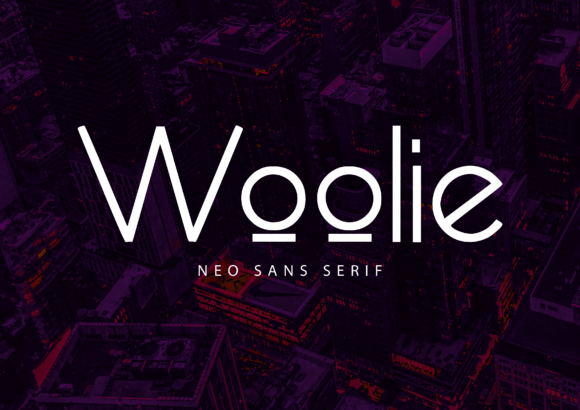
Woolie: A Modern Font for Creative Makers
There’s something about the first time you see a font come to life on a label or a card that makes your heart skip a beat. For me, it was Woolie—the sleek, futuristic sans serif that transformed my candle labels into something that felt instantly premium. I remember sitting at my desk, tweaking text on a mockup, and realizing how effortlessly Woolie could elevate even the simplest handmade item.
Woolie has a clean, sharp look with subtle geometric details that give it a modern edge. It’s not too rigid, nor too soft—it strikes a perfect balance between bold and elegant. The font feels like it belongs in a sci-fi world, but its versatility makes it just as at home on a farmhouse sign or a wedding invitation. Its visual personality is both professional and approachable, which makes it ideal for a wide range of handmade projects.
Using Woolie in Handmade Projects
I’ve used Woolie on everything from birthday invitations to printable wall art. One of my favorite applications is on candle labels. The font’s strong lines and open spacing make it easy to read, even on small surfaces. I paired it with a simple script font for the scent name, creating a contrast that feels both refined and personal. The result? Labels that look like they came from a boutique shop, not a craft table.
For greeting cards, Woolie adds a touch of sophistication without being overwhelming. I often use it for the main title or headline, then pair it with a softer typeface for the body text. The combination gives the card a polished feel while keeping it warm and inviting. It works well for seasonal cards, too—whether it’s a holiday tag or a springtime thank-you note.
When designing packaging for my small shop, Woolie became my go-to choice for product tags and gift boxes. The font’s clean lines make it easy to cut with a Cricut or Silhouette, and it looks great in both digital and physical formats. I’ve also used it on tote bags and mugs, where its bold yet legible style stands out without overpowering the design.
Woolie in Digital and Printables
As a printable creator, I rely on fonts that work well in both digital and printed formats. Woolie excels in both. Whether I’m designing a planner page or a wall art template, the font maintains its clarity and style. I’ve found it especially useful for digital downloads where users need a clean, modern look without sacrificing readability.
One of the things I love most about Woolie is how it pairs with other fonts. I often use it alongside a simple serif font for a classic contrast or with a handwritten script for a more organic feel. The font’s versatility means it can adapt to different design styles while still maintaining its unique character.
When working with cutting machines, I always test the font at various sizes to ensure it cuts cleanly. Woolie holds up well at smaller sizes, making it perfect for stickers, labels, and small product tags. I’ve also used it in mockups for listing images, where its strong presence helps draw attention without looking cluttered.
Considerations for Using Woolie
Before using Woolie in commercial projects, I always check the font’s licensing terms. It’s important to know what you can and cannot do with the font, especially if you’re selling physical products, printables, or digital downloads. Woolie includes multiple weights and styles, which gives me flexibility when designing different types of content.
For those new to typography, Woolie is a great starting point. It’s easy to work with, and its modern look appeals to a broad audience. I’ve used it for short phrases, titles, and even decorative wording, and it always holds its own. It’s not the best choice for long paragraphs, but that’s okay—Woolie shines where it matters most: on display elements and key messaging.
Whether you’re designing a wedding invitation, a seasonal sign, or a product label, Woolie offers a fresh, professional look that can help your handmade items stand out. Its clean lines and futuristic flair make it a standout choice for any creative project, and its practicality ensures it works well in both digital and physical formats.
From candle labels to printable wall art, Woolie has become an essential part of my design toolkit. It’s a font that doesn’t just look good—it feels right for the kind of handmade work that values both style and substance.